
Sixteen Marylebone flats, ten at social rent, are no longer tied to affordable housing. A clause written to reassure lenders freed them, and Westminster pays.
Sixteen flats in Marylebone were built as affordable housing, tied to that use by a planning agreement. They are no longer tied to anything. The Court of Appeal dismissed Westminster City Council’s appeal on 21 July. The council had already agreed to pay the winners’ costs of losing the first round, £250,000 of it up front.
The judgment is public and worth reading, because the reasoning matters far beyond one building. (Westminster City Council v Gems House Residences Chiltern Street Ltd, 2026 EWCA Civ 937)
What the 16 flats were
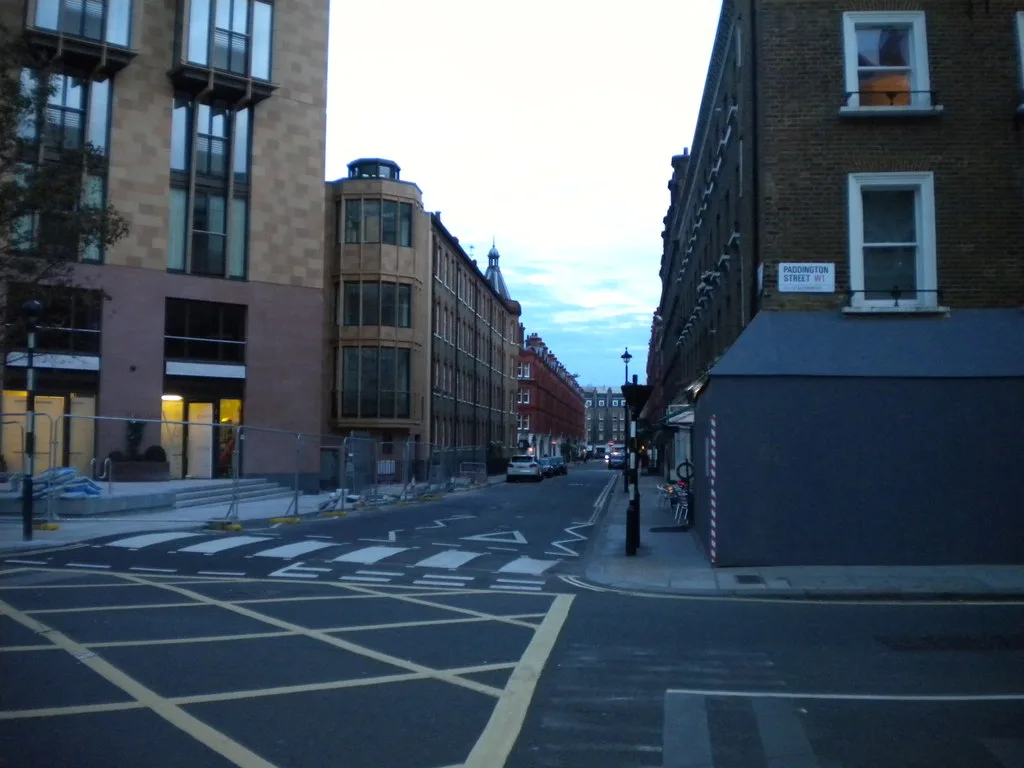
The flats are 1 to 16 Gem House, 76 Chiltern Street, part of a 60-flat mixed-use development at 74-76 Chiltern Street and 22-28 Paddington Street. Westminster granted planning permission on 11 April 2013 and signed a section 106 agreement the same day.
That agreement defined the affordable housing precisely:
- 10 social rented units: three one-bedroom, two two-bedroom and five three-bedroom
- 6 intermediate rented units: two one-bedroom, two two-bedroom and two three-bedroom
Seven of the sixteen were three-bedroom homes, five of them at social rent.
How they were lost
The chain runs through eleven years. Every link in it is set out in the judgment.
- 2013: permission granted, section 106 agreement signed.
- October 2014: a lender agrees a £3m loan to fund a social provider’s purchase of the 16 long leases.
- August 2015: 125-year leases of the 16 flats granted to London District Housing Association, then a registered provider. A legal charge is granted over them.
- July 2016: the leases transfer to Kinsman Housing Limited, also registered, and the charge is novated to it.
- 2018 to 2023: the Regulator of Social Housing issues repeated notices against Kinsman on governance, consumer standards, risk and viability, then an enforcement notice in February 2023.
- 7 September 2023: the Regulator removes Kinsman from the register. Kinsman does not appeal.
- 16 February 2024: the lender exercises its power of sale and assigns all 16 leases to Gems House Residences Chiltern Street Limited, subject to the sitting assured shorthold tenancies.
Westminster went to court to enforce the affordable housing obligation against the buyer. It lost in the High Court in July 2025 and lost again in the Court of Appeal this July.
The clause that decided it
Everything turned on twenty-five words in clause 10.1.1 of the 2013 agreement. The affordable housing obligations do not bind:
“any mortgagee of a Registered Social Provider or any receiver appointed by such mortgagee or any person deriving title through any such mortgagee or receiver.”
Clauses like this exist because a social landlord needs to borrow, and a lender will not lend against a home it can only ever sell as a social home. The dispute was about when the borrower had to be a registered provider for the protection to apply.
- Westminster’s reading: at the moment the lender sells. Kinsman had been off the register for five months by then, so the protection had gone and the buyer took the flats still bound by the affordable housing tie.
- The buyer’s reading: at the moment the mortgage was created. Kinsman was registered then, so the protection held, and the buyer takes the flats free of the tie.
Three judges agreed with the buyer. Lord Justice Holgate gave the leading judgment, with the Chancellor of the High Court and Lord Justice Miles agreeing.
His central point was commercial. A lender “would find it difficult to identify any logic in a clause which reduces the value of its security in this way simply because the borrower has become deregistered”, he wrote, since the lender has no control over that. Read Westminster’s way, the clause would push lenders to enforce earlier to avoid the risk of deregistration, which would make it less likely the flats stayed affordable at all.
What it cost
At the High Court stage in July 2025 the parties agreed that Westminster would pay the defendants’ costs of the proceedings, apart from the costs of the interim injunction application, with £250,000 plus VAT payable on account within 28 days. (2025 EWHC 1997 Ch)
The appeal costs are not recorded in the Court of Appeal judgment.
Counsel for the buyers told that hearing the 16 flats were then producing £158,592 a year in rent, and put the company’s losses from the injunction at around £1.3 million. Those are submissions by one side, not findings. The published judgment also gives the open-market rental value in a form that is plainly a typing error, so we are not quoting it.
The rent gap
Spread evenly across the 16 flats, £158,592 a year is £826 a month per home. The average private rent in Westminster was £3,179 a month in July 2026, on the ONS Price Index of Private Rents. (ONS housing prices in Westminster)
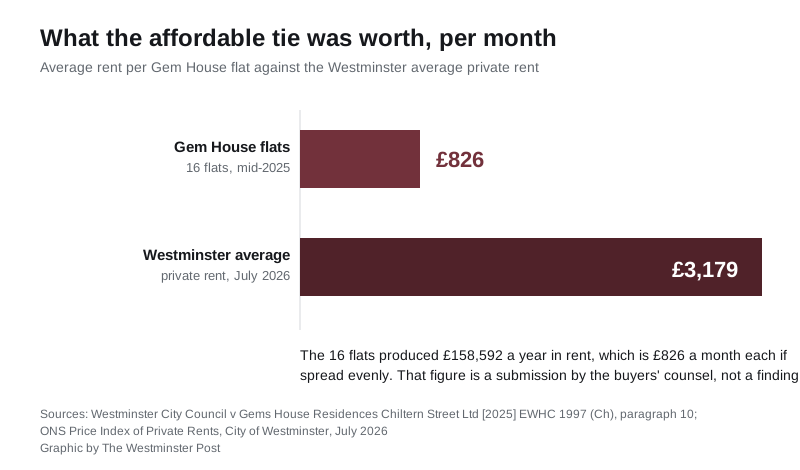
That gap is the whole story. It is what the section 106 agreement was protecting, and it is what the mortgagee exclusion clause released.
What it means for you
If you rent one of these flats. The leases were sold subject to the existing assured shorthold tenancies, so those tenancies did not vanish with the ruling. An assured shorthold tenancy gives far less security than a social tenancy, and the affordable rent restriction is gone. Get advice before agreeing to anything: Westminster’s private sector housing service covers private tenants’ rights, and its homelessness service is the route if you are given notice.
If you comment on planning applications. Affordable housing secured by a section 106 agreement is only as strong as the drafting, and the mortgagee exclusion clause is the weak point. It is a standard, negotiated part of these agreements, and this case shows the difference a few words make. Section 106 agreements are published with the application on the council’s planning register, so the wording is checkable before permission is granted, not after.
If you are on the housing register. These were ten social rented homes, five of them with three bedrooms, in a borough where that size of social home rarely comes up. They are not coming back through this route.
Westminster has published nothing about the ruling on its news page. Whether it will seek permission to appeal to the Supreme Court is not on the public record. We will update this page when it is.
Related: Westminster house prices and Westminster planning applications.
Have your say