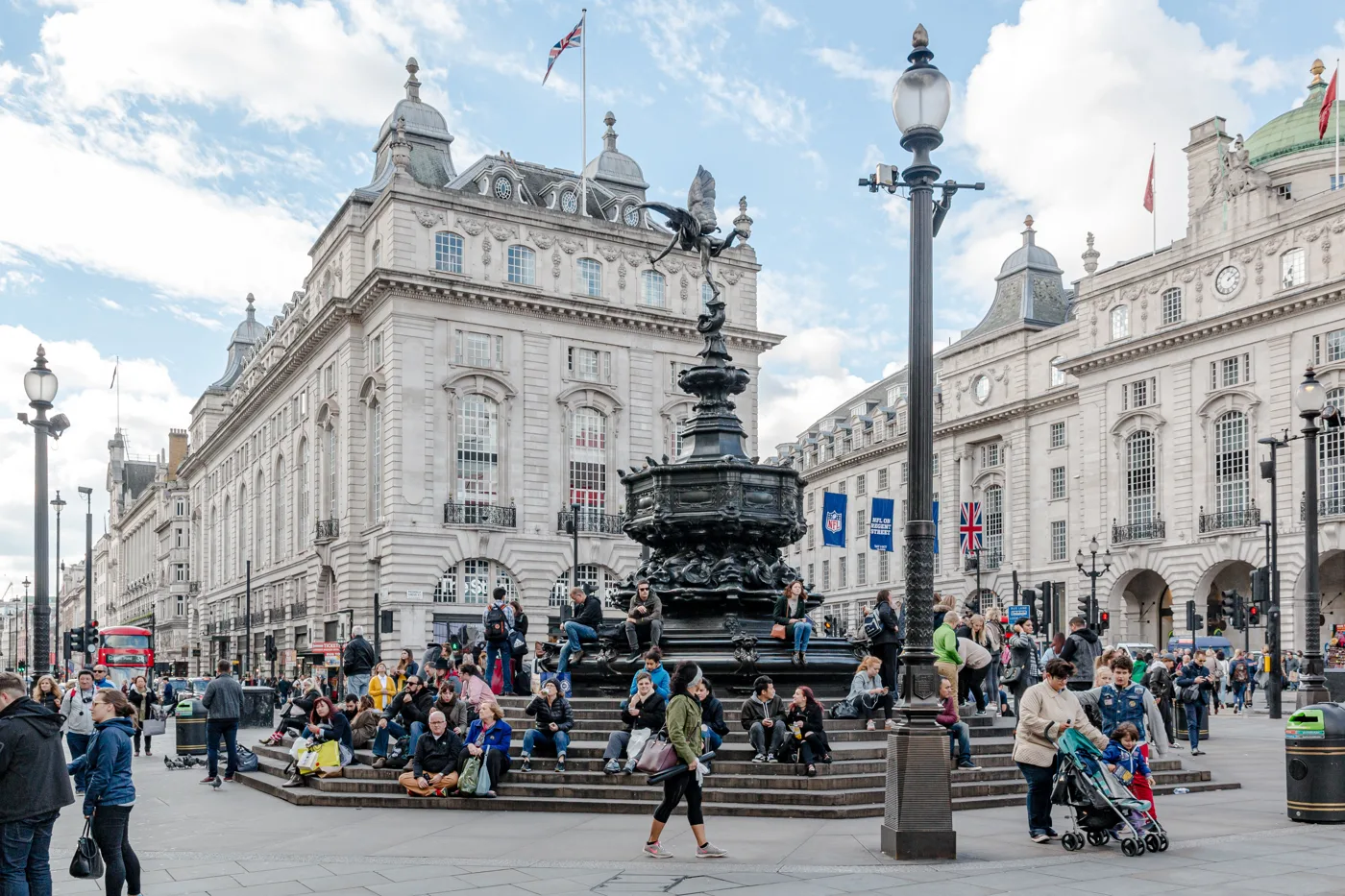

Businesses around Piccadilly, Jermyn Street and Leicester Square vote in February on three more years of their business levy. Four Mayfair streets would join.
Businesses around Piccadilly Circus, Leicester Square and Jermyn Street will vote early next year on whether to keep paying a levy that funds extra cleaning, security patrols and street improvements.
Westminster City Council has agreed to run the two ballots for the Heart of London Business Alliance (HOLBA). Voting opens on 4 February 2027 and closes on 4 March. If both pass, the alliance says around £20 million will be spent in the area over three years.
The decision was taken by the Cabinet Member for Growth and Planning and is dated 12 November in the council’s decision record. The figures below come from the council report and HOLBA’s ballot proposal.
The quick answer
- Who votes: occupiers of larger business premises in two areas, one around Leicester Square and Piccadilly Circus, the other around Piccadilly and Jermyn Street.
- When: ballot papers go out on 4 February 2027, voting closes on 4 March and the result is due on 5 March.
- What it costs: 1.41% of a property’s rateable value in 2027/28, rising to 1.47% by 2029/30, capped at £50,000 a property.
- What changes: Berkeley Street, Stratton Street, Lansdowne Row and Mayfair Place would join the Piccadilly and Jermyn Street area.
- If the vote fails: the scheme ends on 31 March 2027, and the matching levy on property owners has to end with it.
What a business improvement district is
A business improvement district, or BID, is an area where businesses vote to pay an extra charge on top of their business rates. The council collects it and passes it to a not-for-profit company, which spends it on services in that area.
HOLBA runs six BIDs across Piccadilly and St James’s, Leicester Square and Piccadilly Circus, and St Martin’s. Each area has one BID for occupiers and one for property owners. The council report says HOLBA represents more than 600 businesses, and that the areas generate about £345 million in business rates.
Only the two occupier BIDs are being balloted this time. The other four run until 2030. The new three-year terms would bring all six into line, ending on 31 March 2030.
Who pays, and how much
The levy is a percentage of each property’s rateable value, the figure business rates are calculated from. Smaller premises below a threshold do not pay and do not vote.
| Leicester Square and Piccadilly Circus | Piccadilly and Jermyn Street | |
|---|---|---|
| Who pays | Rateable value of £130,000 or more | Rateable value of £225,000 or more |
| Levy 2027/28 | 1.41% | 1.41% |
| Levy 2028/29 | 1.44% | 1.44% |
| Levy 2029/30 | 1.47% | 1.47% |
| Most any one property pays a year | £50,000 | £50,000 |
| Levy income over three years | £4,381,363 | £5,886,675 |
| Planned investment including the owners’ BID | about £9.5m | about £11m |
A shop or restaurant with a rateable value of £500,000 would pay £7,050 in 2027/28, according to the worked examples in the proposal. Charities that get mandatory rate relief pay 20% of the levy.
The levy is worked out from the 2023 rating list, not the new one. HOLBA says the 2026 revaluation raised average rateable values by about 21.7% in the Leicester Square area and 14.7% in the Piccadilly area. Using the older values keeps the levy lower.
What the money would pay for
The proposal sets out five areas of spending:
- street managers, security teams and extra cleaning seven days a week
- shared services to cut costs, such as joint waste collections
- marketing, events and campaigns to bring in visitors
- lobbying on planning, licensing, transport and business rates
- street improvements, including plans for Sackville Street and Vigo Street and the area around Green Park station
Crime and anti-social behaviour are the first priority in the council’s summary of the proposal. HOLBA says it will push for more policing and better coordinated enforcement in the West End.
How the vote works
Each BID has its own ballot. To pass, it needs two majorities:
- more yes votes than no votes
- the businesses voting yes must also hold more of the total rateable value than those voting no
The council can veto a result only in narrow cases, such as a clash with its own policies or an unfair burden on one group of ratepayers. Its report says officers have no intention of using the veto. The council pays for the ballots from an existing reserve.
What it means for you
If you run a business in either area with a rateable value above the threshold, a ballot paper should reach you in early February. The council sends one paper for each eligible property. You can check your property’s rateable value on the GOV.UK business rates valuation finder.
For residents and visitors, a yes vote keeps the alliance’s patrols, cleaners and street projects going until 2030. A no vote in either area would end them there from April 2027.
Have your say