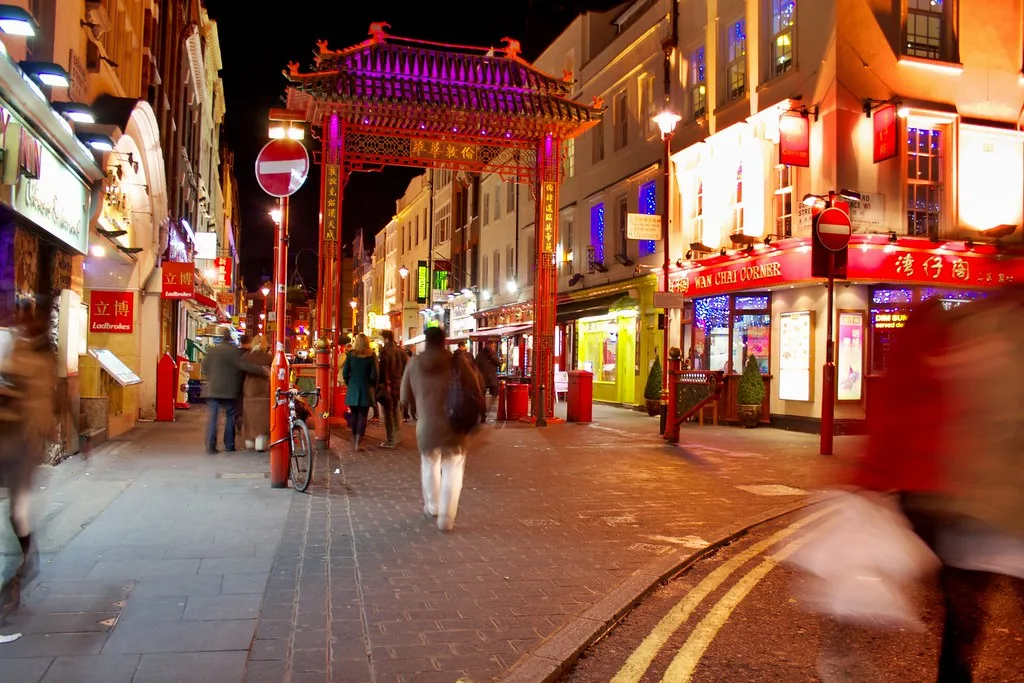

The West End cumulative impact zone loses parts of Covent Garden and streets north of Oxford Street. Councillors vote on 16 September, policy starts 1 October.
Westminster is shrinking the part of the West End where a new drinks licence faces the hardest test.
The council has published the licensing policy it intends to adopt for the next five years, and the maps inside it are smaller than the ones they replace. The cumulative impact zone no longer covers parts of Covent Garden, the streets north of Oxford Street, or the streets west of Regent Street.
This is the policy that produced the “standing in pubs” row in August. We reported that row when the consultation closed and said we would report what the final policy actually said. It is now published, and it says the opposite of the claim that started the argument.
The dates that matter
- 7 September 2026: the report and the full draft policy were published.
- 15 September 2026: Cllr Tim Barnes, cabinet member for growth and planning, is due to approve it and refer it to Full Council.
- Wednesday 16 September, 7pm: Full Council votes on adoption at Westminster Council House, 97-113 Marylebone Road, NW1 5PT. The agenda is published in the week before the meeting.
- 30 September 2026: the legal deadline to publish a new policy.
- 1 October 2026: the new policy takes effect, five years to the day after the current one.
Only Full Council can adopt it. The Licensing Act 2003 does not allow that decision to be delegated to a cabinet member.
What is actually changing
The council’s report lists the substantive changes against the 2021 policy:
- The cumulative impact zone gets smaller. The policy document says the zone “no longer includes parts of Covent Garden and areas north of Oxford Street or west of Regent Street”. The cabinet member report describes the same change as removing significant portions of Covent Garden and Mayfair.
- Core hours become reference points, not absolute limits. The council says this is meant to encourage applicants to come forward with a wider range of trading hours.
- The cumulative impact policy now states plainly that applications inside the zone are decided on their merits, and will be granted where they promote the licensing objectives.
- Provisions on violence against women and girls and on Martyn’s Law counter-terrorism duties are updated to match recent legislation.
- The Good Operator Guidance is expanded to explain the application process and the support available. Authority to update it is delegated to the director of public protection and licensing.
The reasons the council gives for the smaller zone are progress in managing the impact of licensed premises, the strength of local place management arrangements, and a wish to support growth.
The zone is not a ban, and never was
The West End zone that remains is dense. The policy counts around 95 pubs and bars, 50 nightclubs, 450 restaurants and 320 other licensed venues inside it.
A cumulative impact policy does not refuse applications. It shifts the starting point, so an applicant has to show their premises will not add to the problem. The council’s own figures show how that works in practice: between January and mid-August 2026, 52 of the 55 applications determined inside the zone were granted, which is over 96 per cent.
What the policy says about standing
The August row began with a newspaper report that Westminster planned to ban standing in pubs. The council denied it at the time. The adopted draft now puts the denial in the policy document itself.
The relevant passage lists measures an applicant might offer to address cumulative impact, including seating minimums or waiter service, and then says: “This does not mean banning standing in pubs. It is one option applicants may wish to consider.”
Two limits are worth knowing:
- The policy applies only to new applications, variations and reviews. It does not touch existing licences, which are granted in perpetuity and attached to the premises rather than the operator.
- The measure is an option an applicant can put forward, not a condition the council imposes as standard.
The council’s consultation report is blunt about the effect of the coverage. It records “an evident misunderstanding of the provisions relating to Vertical Drinking”, and says few respondents noticed that the wording was meant as an enabling measure to allow more venues inside the cumulative impact zone.
The consultation, and the week that changed it
The statutory consultation ran from 29 June to 9 August 2026. It drew 690 responses, 658 through the online survey and 32 by email. The 2021 consultation drew 170.
The timing is the story. Before the newspaper article appeared on the morning of Thursday 6 August, the survey had 94 responses. It finished with 658. The council records more than 9,000 visitors to the consultation platform and infers, reasonably, that the coverage drove them.
The sentiment that arrived with them was overwhelmingly hostile:
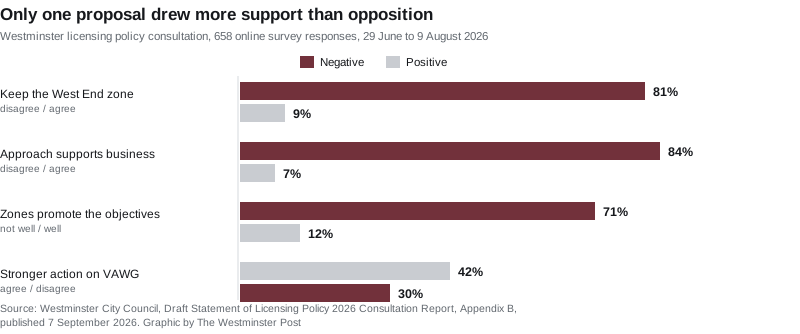
Two cautions the council itself raises. Only 36 respondents, 5 per cent, answered as representatives of a business, which it calls a very small sample. And 37 per cent of respondents neither lived nor worked in Westminster.
The council also notes the contradiction running through the responses: most demanded a pro-growth, pro-hospitality policy while also saying the policy would not advance the licensing objectives, none of which relate to growth. There is no licensing objective about business or the economy, and a council cannot invent one.
What has been put off
The report is candid that the statutory deadline forced a narrow revision. The council promises to return to:
- core hours and cumulative impact policy, reviewed over the next 12 to 18 months
- the evidence base behind the policy, and whether new data sources should be used
- premises use categories, including how grassroots music venues and cultural venues are treated
- an expert panel with the industry, to give independent challenge on policy and practice
It also expects to review the policy more often than the five-year statutory cycle from now on.
One piece is still missing. Since 29 June 2026 the council has had to have regard to any licensing policy published by the Mayor of London, under the English Devolution and Community Empowerment Act 2026. The Mayor consulted on a draft in February and March 2026 but has not published a final policy, so Westminster’s new policy could not take formal account of it.
What it means for you
If you run a licensed premises in Westminster: nothing changes for your existing licence. The policy bites when you apply for a new licence, apply to vary one, or face a review.
If you are thinking of applying inside the old zone boundary: check the new maps in Appendix A before you assume the cumulative impact policy applies. Parts of Covent Garden, the streets north of Oxford Street and the streets west of Regent Street have come out of it.
If you live near licensed premises: the right to make representations on an application is unchanged, and so is the right to ask for a review of a licence that is causing problems. The council’s answer to the consultation demand for tighter control was to point at enforcement and police work rather than at wider licensing restrictions.
If you want to watch the vote: Full Council meets at 7pm on Wednesday 16 September at Westminster Council House on Marylebone Road.
Sources
- Decision 3570, Statement of Licensing Policy 2026, Westminster City Council, published 7 September 2026
- Cabinet member report, Statement of Licensing Policy 2026 (PDF), 7 September 2026
- Appendix A, revised Statement of Licensing Policy (PDF)
- Appendix B, consultation report (PDF)
- Council meeting, 16 September 2026, Westminster City Council
Have your say