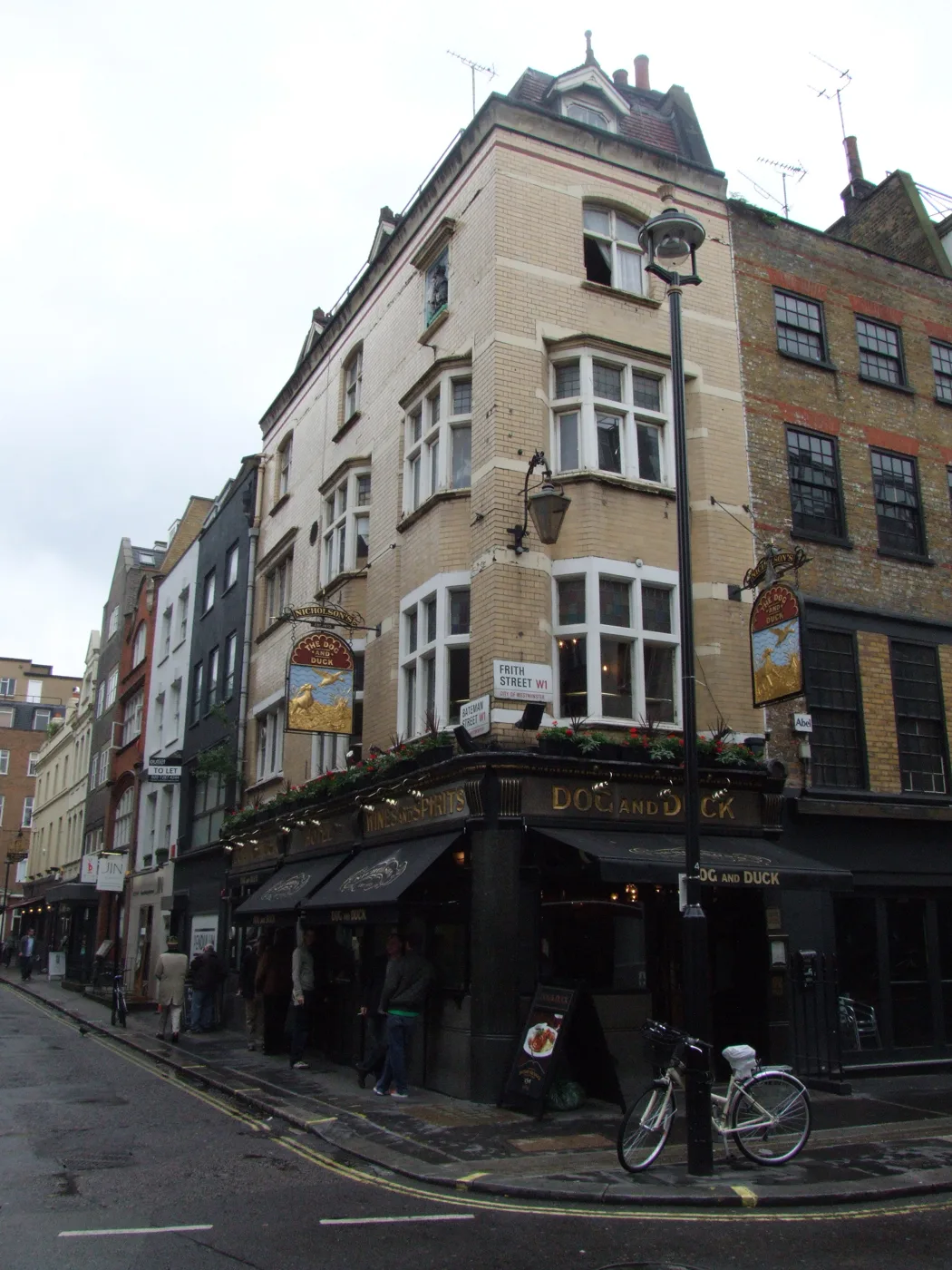

The council calls a pub standing ban '100 percent untrue'. What its closed licensing consultation proposes, and why the Mayor of London is now involved.
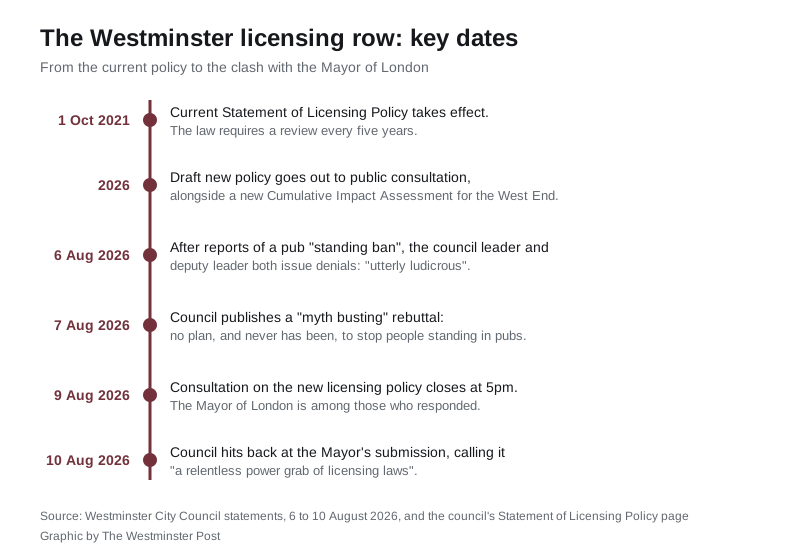
Westminster City Council has accused the Mayor of London of “a relentless power grab of licensing laws”, its fourth public statement in five days defending a licensing review that national media reports claimed would ban drinking while standing in West End pubs. The claim is wrong, the council says, and it has published a question-by-question rebuttal. (Westminster City Council, 10 August)
The row blew up in the final days of the council’s consultation on a new Statement of Licensing Policy, the document that guides every decision on alcohol and entertainment licences in the city. That consultation closed at 5pm on Saturday 9 August. (Statement of Licensing Policy)
A ban that, the council says, does not exist
The council’s rebuttal, published on 7 August, is blunt: “You may have read media reports suggesting Westminster City Council is planning to ban people from standing up in pubs, or ‘vertical drinking’. This is completely untrue. There is not, and never has been, a plan to stop people standing in pubs to have a drink.” (Standing in pubs, myth busting)
What the draft policy does, on the council’s account, is narrower. In the West End, where hundreds of licensed venues already trade, a new licence can be harder to justify; the policy says that in a small number of such cases an application may be easier to grant for a venue where customers sit at tables rather than stand. The council calls this an extra option to encourage “continental cafe-style drinking”, not a rule for existing pubs. It also says the terms causing alarm, “vertical drinking” and “cumulative impact”, have been in its policy for over ten years, and that the council is legally required to review the policy every five years. The current version took effect on 1 October 2021. (Standing in pubs, myth busting; Statement of Licensing Policy)
The first denials came on 6 August. Deputy leader Tim Barnes called the ban claim “utterly ludicrous” and “a wilful misreading of the policy proposals with clauses taken out of context”, pointing out that the council rejects less than 1.5 per cent of licence applications across roughly 4,000 licensed venues, and had just granted a 24-hour licence extension to the McDonald’s on Leicester Square despite objections from what he called “the Mayor’s police representatives”. (Statement on standing in pubs)
Council leader Paul Swaddle followed the same evening: “There is no plan, and never has been, to ban drinking while standing up in a Westminster pub.” He said the council approves well over 98 per cent of licence applications and had recently backed a new pub in Covent Garden and a campaign to draw people back to Soho this summer. (Leader statement)
Why the Mayor is in the row
The Mayor of London submitted his own response to the consultation, and the council’s reply on 10 August was the sharpest statement yet. Cllr Barnes said pub and bar owners’ real problems are rising costs, worries about safety after cuts to policing, and late-night transport, adding: “If the Mayor was genuinely interested in helping the pub industry rather than simply a relentless power grab of licensing laws, he would address the real challenges to the industry.” (Statement on the Mayor’s consultation response)
Behind the exchange is a genuine shift in who controls licensing in London. The Mayor has published a draft London Strategic Licensing Policy covering 2026 to 2031, which would have statutory status under the Licensing Act 2003 as proposed to be amended by the English Devolution and Community Empowerment Bill. Once in force, London boroughs would have to have regard to the Mayor’s policy alongside their own. It applies to all 32 boroughs and the City of London, and a pilot is intended to start in summer 2026, with a review after two years. (Draft London Strategic Licensing Policy 2026-31)
Few boroughs have more at stake in that system than Westminster. By the council’s own description it has around 4,000 licensed venues, and more people work in hospitality in Westminster than live in the borough. (Standing in pubs, myth busting)
What it means for you
If you drink in Westminster pubs, nothing changes now and, on the council’s account, nothing about standing was ever going to change. Existing pubs keep their licences and their standing room; the draft policy is about how a small number of new applications in the busiest streets are judged. Our things to do in Westminster page lists what is on across the borough.
If you run or plan to open a licensed venue, the consultation is closed and the council says it will “review, adapt, and evolve” the policy as responses are considered; questions can go to the policy team at licensingconsultation@westminster.gov.uk. The council has also published its 2026 Cumulative Impact Assessment, the evidence base for treating the West End differently. (Statement of Licensing Policy)
If you live near the West End, the five-year review is the main chance to shape how late-night noise, crowding and street drinking are managed. The adopted policy, once published, will set the ground rules for the next five years. We track major applications and decisions on our Westminster planning news page and will report what the final policy says about standing, seating and the West End when it is adopted.
Have your say